China changed my mind about the future: What I saw on the ground
China's energy, AI and infrastructure lead is visible on the factory floor, city streets and in emerging markets.

Before this trip, I had written off too much of China.
I expected vast, cost-competitive manufacturing, but still behind the West on quality and technology. I expected some electric vehicles, but nothing beyond Europe. I expected AI and robotics to be on show, not used day to day. And, after years in the Western wind industry, I expected the same risk aversion towards Africa.
I left with the opposite view.
That matters because the energy transition, AI and global infrastructure will not be shaped by old assumptions. They will be shaped by the countries and companies that can build, deploy and improve at speed.
The industry myth that did not survive the factory floor
I spent much of my career in a Western energy company. The general perception was familiar: Chinese turbines might be cheaper, but they were not at the same level of quality or technology as their Western counterparts. That would limit their ability to compete internationally, and customers and financiers would be reluctant to use them.
Then I visited Goldwind and Envision.
I toured factories, saw blade and component testing facilities, and saw the quality processes behind final turbines. What struck me was not just scale. It was the maturity of the operation.
Envision’s facilities were exceptionally polished. The company is bringing more components in-house, giving it greater control across the value chain. Both companies are moving well beyond the idea of an OEM that sells only a wind turbine. They are adding battery systems and, importantly, hybrid controllers for the whole power plant.
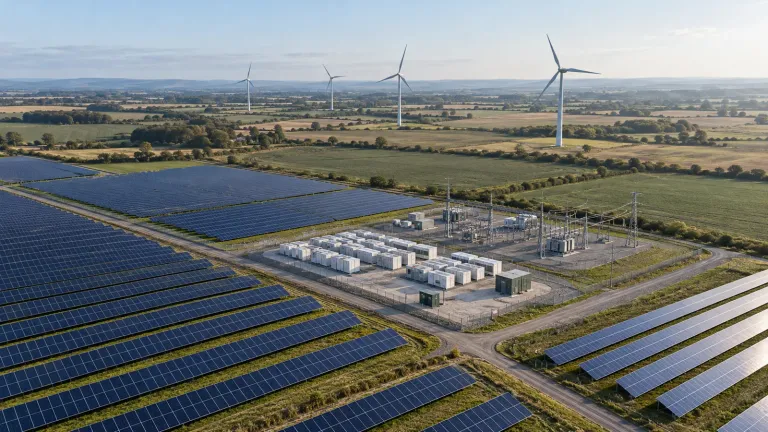
That matters because hybrid wind farms are part of the future of the energy system. Combining wind, solar, storage and intelligent controls can improve the use of infrastructure and lower the cost of delivered energy.
I co-founded Modaso Energy and Converge Hybrid because I believe that hybrid projects are the future of energy, but their complexity means they cannot be treated as a collection of separate assets. The companies that can supply and control more of that system will have an advantage over those that still treat wind or solar as standalone products.
My pre-trip view was that Chinese manufacturers were catching up. After seeing the facilities, I think some have already matched Western OEMs and are now pushing ahead in integrated hybrid offerings.
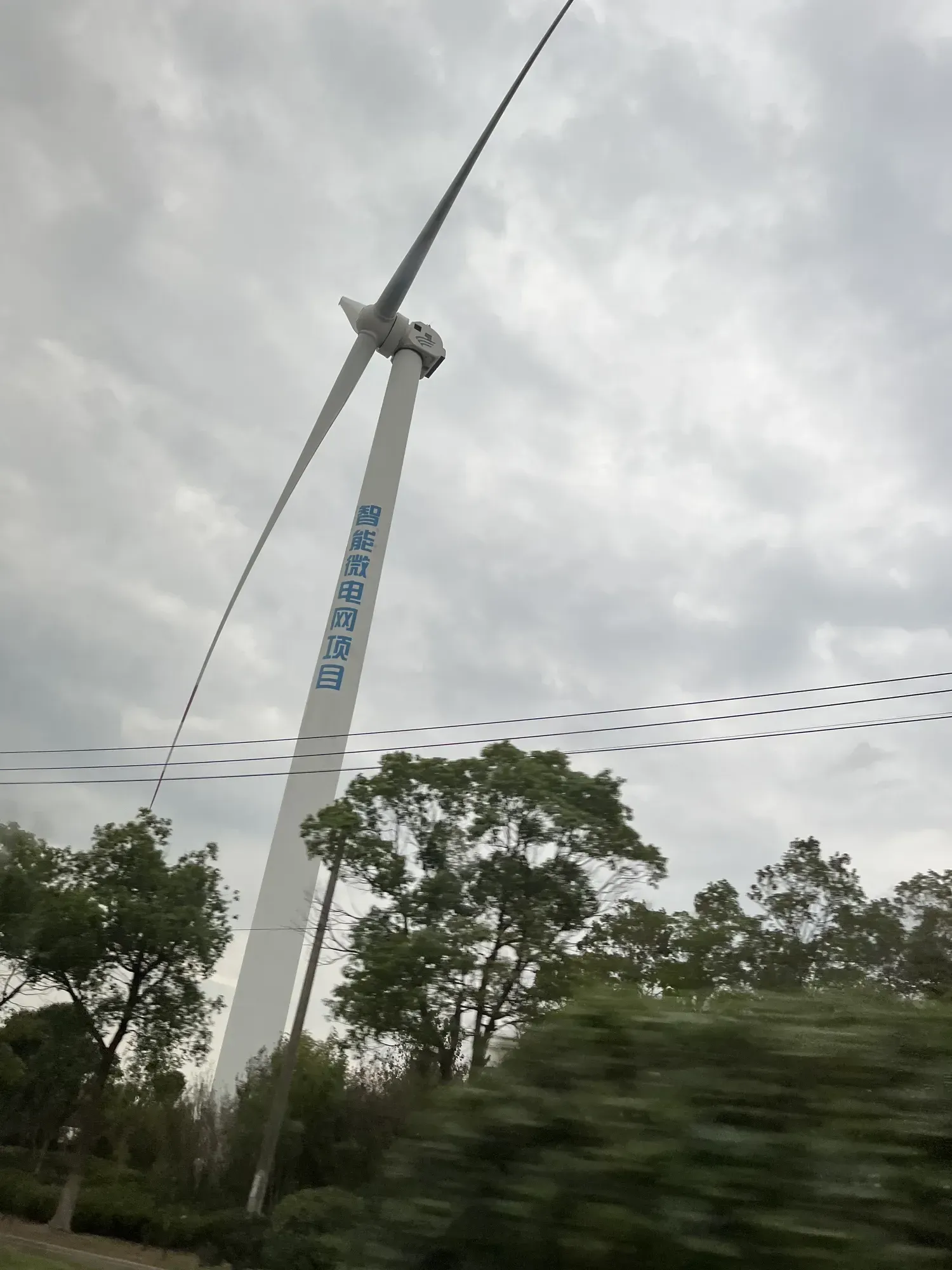
A wind turbine photographed during Charles's China trip.
Electrification of transport is here
I have been a proponent of EVs for more than a decade and have watched the market mature over that time. Beijing gave me a different kind of shock.
As we drove and walked around the city, the number of electric vehicles was impossible to ignore. China’s green number plates for EVs make the change visible at a glance. My impression was that most of the newer cars I saw were electric, many from Chinese brands I had never encountered before.
There were plenty of BYDs and Huawei cars. I was also surprised by the number of Teslas. Chinese manufacturers are clearly formidable, but Tesla is still competing in the market.
The bigger point was not any one brand. It was that electric vehicles felt ordinary.
Car parks had chargers. Side roads had dedicated space for bicycles and electric scooters. People were using them in numbers that made micromobility feel normal rather than experimental.
On the day I arrived, Beijing’s air also appeared far cleaner than I expected. That is one day’s experience, not a claim about the city’s air quality over time or proof that EVs alone caused it. But it made the relationship between cleaner transport and liveability feel very real.
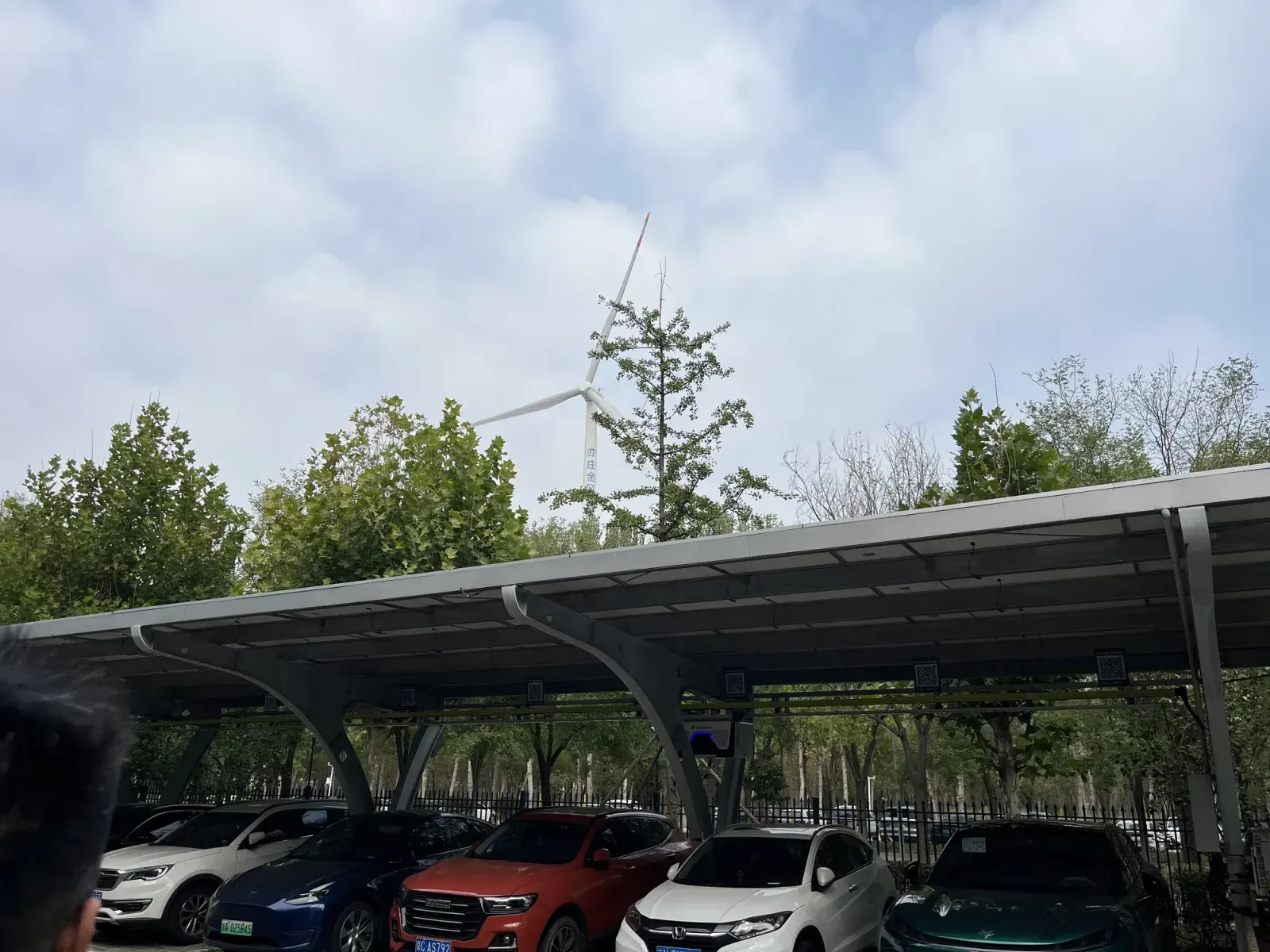
Electric cars charging beneath solar panels alongside a wind turbine.
Robots are already part of everyday life
The same thing happened with robots and AI.
In Europe, the first instinct is often caution and fear. We worry about jobs, control, surveillance and whether the technology is moving too quickly.
In China, I found robots integrated into everyday life. Every hotel I visited used autonomous robots to deliver food and goods to rooms. One had a robot dog. At a traditional restaurant, robot waiters carried food alongside human servers, helping with heavy trays.
To us, it felt out of place. To the local people around us, it seemed normal.
The advertising I saw was also surprisingly positive about AI. The message was not that technology was going to take your job. It was that it was something to build, adopt and improve in order to advance the country and the people living there.
Countries that adopt and deploy these technologies early will build an advantage in productivity. I worry that the West is in danger of mistaking caution for leadership and opting out of the future.
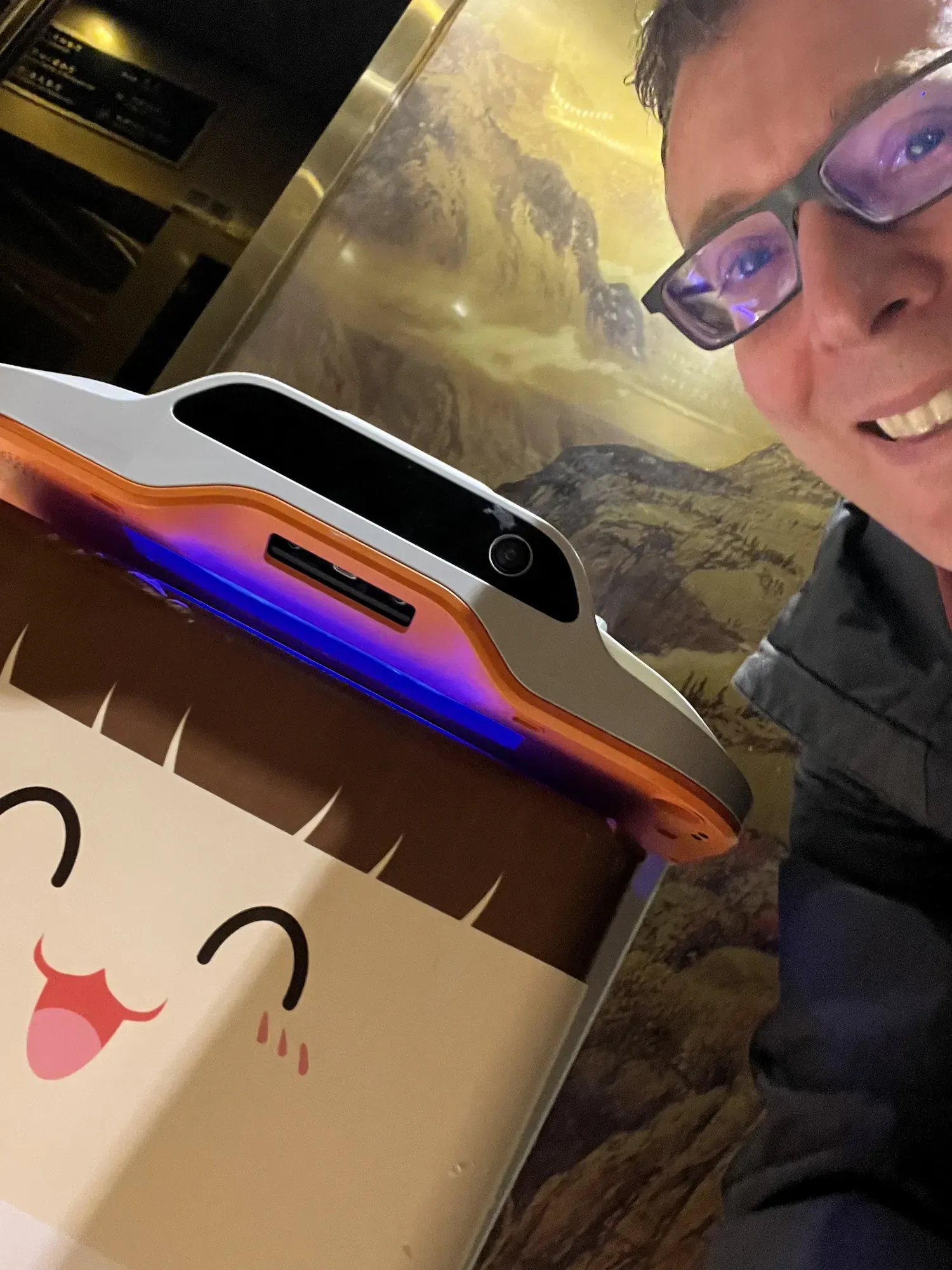
A robot room service waiter in a hotel elevator in China.
Africa is where the difference directly affects my work
In Kenya, Zambia and Zimbabwe, we work with Chinese companies not simply because they are competitive on price. We work with them because they are willing to engage, solve problems and help deliver in these markets.
There are risks in every project. Chinese companies do not avoid those risks. But in my experience, they are more willing to understand them, discuss them, negotiate and find workable routes through them.
Western OEMs and contractors are often far more risk-averse. Some will not even entertain bidding in markets they consider unfamiliar or difficult. That is their choice. But it leaves a gap, and Chinese companies have built the experience to fill it through equipment supply, construction and wider infrastructure delivery.
Africa has the fastest-growing population in the world and is likely to be where much of the future demand growth comes from. Being prepared to understand those markets and work through the risks is not just a commercial choice. It may prove to be a very good strategy for the future.
The lesson is not that companies should take blind risks. It is that they should be willing to engage on the ground and help solve problems in partnership with clients and local communities.
Too often, leaders make risk decisions based on stale or second-hand assumptions about a country or market. That is a mistake.
The final twist to the tale
Two days before I was due to fly back to Dubai, I decided to discuss pain I had been feeling in my leg for a few days with ChatGPT. That morning, my WHOOP health monitor had also told me that my baseline health markers were not normal.
ChatGPT did not diagnose me, but the conversation made me take the possibility of a blood clot seriously enough to get checked. It found an international hospital about 500 metres from my hotel in Shanghai, so I walked there expecting the usual emergency-room experience: long queues, stressed staff and a country where I did not expect anyone to speak English.
Instead, I found an English-speaking receptionist, immediate access to doctors, modern equipment, kind nurses and no waiting. Tests confirmed a DVT. Further imaging showed that the clot had travelled to my lungs and caused a pulmonary embolism.
It was frightening. The team explained what was happening, started treatment quickly and admitted me for observation.
The care I received, from the doctors and nurses to the facilities and private room, was better than any hospital experience I have had in France or the UK. I have had to move my flight and stay in China for another two weeks while I recover. That was not part of the plan.
But it has given me more time to explore a place that has repeatedly exceeded my expectations.
I am not drawing a universal conclusion about Chinese healthcare from one hospital stay. I am describing what happened to me. I am simply very glad that I was in China when it did.
When to admit you were wrong, and what it means
China did not change my mind because of one factory, one electric car or one hospital.
It changed my mind because the same pattern kept appearing. In wind manufacturing, electrification, robotics, infrastructure and healthcare, I saw a country operating at a level of scale, quality and technical integration that I had underestimated.
It showed me that, with enough drive, long-term vision and a willingness to align behind a positive future, countries can do extraordinary things. I have seen that in the UAE and now in China.
The energy, AI and robotics future will not be won by the countries that make the best speeches or look inwards. It will be won by those engaging with the future, investing in technology and people, and trying to make the world better.
China is doing that now. The rest of the world should pay attention.