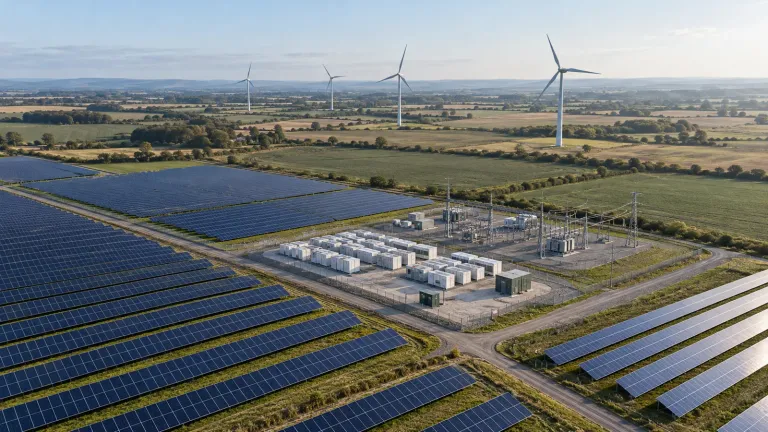
The Gulf’s Renewable Energy Surge in Africa
Saudi and UAE capital is flooding African renewables, but grid access, payment security and permitting, not turbines or PV prices, remain the bottleneck.

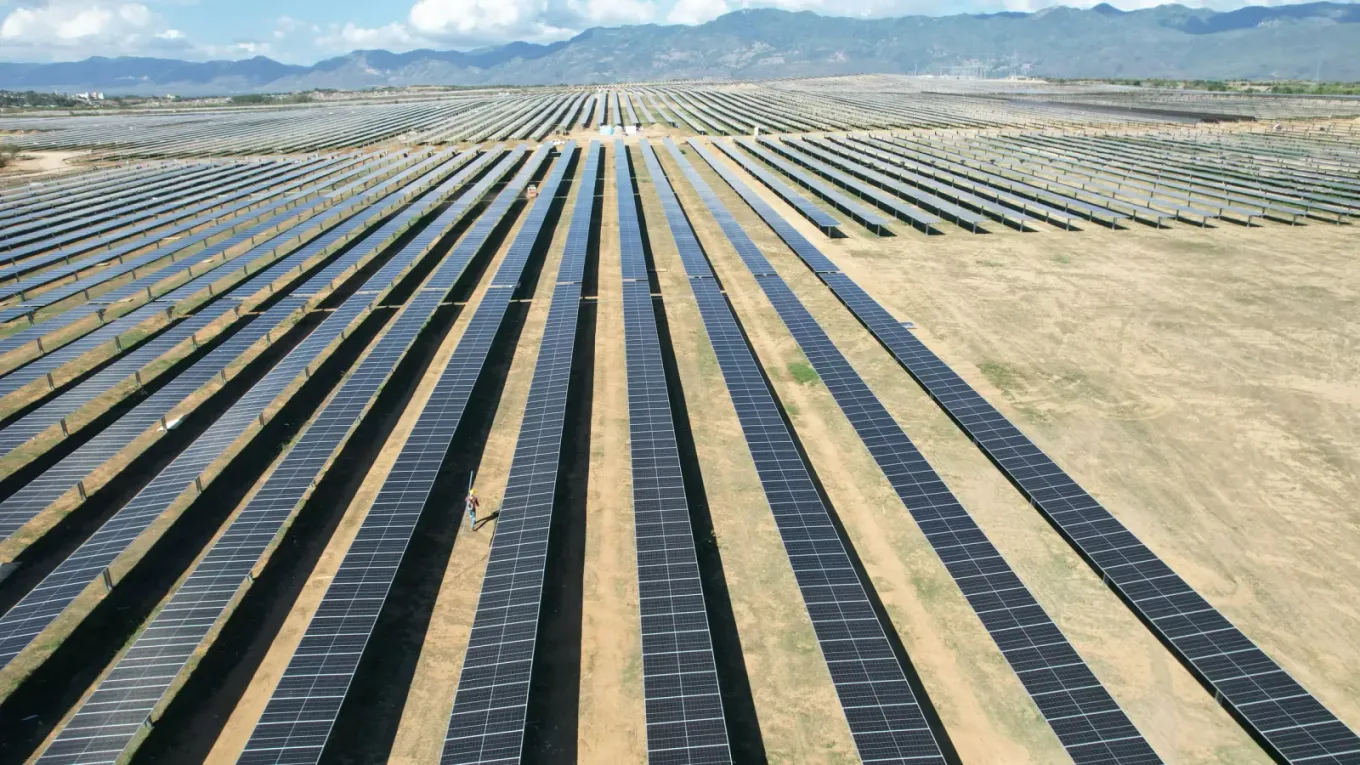
The Gulf states are pouring billions into African renewable energy, and the pace is picking up fast.
A Semafor report last week pulled the trend into focus: Saudi Arabia and the UAE are dramatically ramping up clean power investment across the continent. Solar and wind projects are moving from “interesting pipeline” to “real steel in the ground” across markets from South Africa to Kenya.
I’m developing renewable energy projects in Africa with Modaso Energy across Kenya, Zambia, and Zimbabwe. From that vantage point, the Gulf’s arrival is a genuine opportunity, and a source of new risks. Here’s what I’m seeing, and what it means if you build, finance, supply, or operate renewable projects on the continent.
The Numbers Are Real (But the Bottleneck Hasn’t Moved)
The investment surge isn’t hype. Recent data in the Africa renewables ecosystem shows (at a high level):
- Solar is taking the largest share of new renewable investment.
- Wind is the next biggest slice.
- Governments have procured tens of gigawatts of renewable capacity.
- The private sector has secured a meaningful additional pipeline.
But in practice, the constraint most developers feel day-to-day is still not turbine availability or PV pricing.
It is the system around the asset:
- Grid access and evacuation (where is the capacity, who pays for upgrades, how long does it take?)
- Payment security (who ultimately backstops the offtaker?)
- Permitting and community process (often predictable, but rarely fast)
- FX and convertibility realities (especially when the project is financed in hard currency)
This is exactly why the Gulf’s entry matters: the capital is large, strategic, and often willing to think in systems, not just single assets.
Why This Matters for Local Developers
Gulf-linked funds and sponsors can underwrite projects at a scale that changes the competitive landscape. If you are developing in Africa, this is a moment to get very clear on where you add value.
The Opportunity
1) Access to capital that can actually match the buildout.
In many African markets, good projects stall in the “almost bankable” zone for reasons that are solvable with the right mix of:
- longer-dated capital
- structured risk sharing
- patience through permitting and grid processes
Gulf capital can sometimes move faster and deploy at scale.
2) Partnerships over greenfield everything.
Not every new entrant wants to originate projects from scratch. Many want credible local partners who can:
- navigate regulation and grid stakeholders
- run community engagement properly
- manage land, permitting, and local execution
If you have high-quality sites, real development progress, and a credible delivery track record, you become a natural partner.
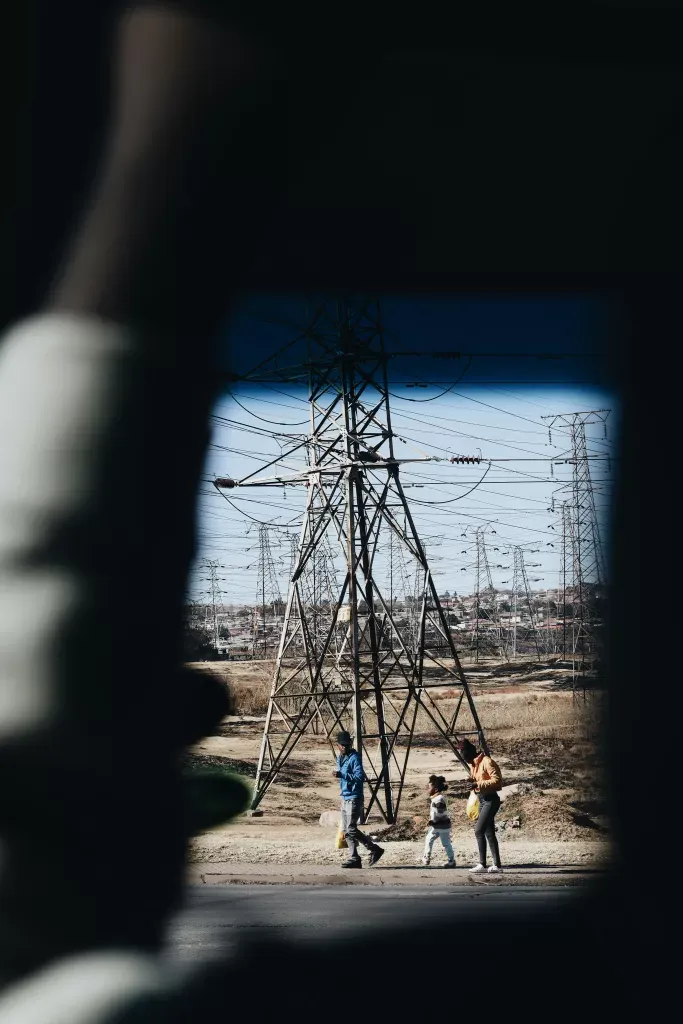
3) A bigger check for the infrastructure layer.
This is the part I think is underappreciated. The highest-leverage investment in many markets is not “one more solar IPP.” It is:
- transmission and substations
- grid upgrades and stability
- storage (BESS)
- hybridization and dispatchability
When capital targets these constraints, it makes all generation more valuable.
The Risk (More Specific)
1) The market can reprice overnight.
When large players show up willing to accept thinner margins, longer timelines, or different risk assumptions, it can reset expectations with governments, utilities, and even landholders. That is good for buildout, but it can squeeze smaller developers who rely on a narrower risk box.
2) “Copy-paste finance” fails quietly.
The fastest way to lose time (or money) is applying assumptions that work in highly mature markets to African realities. Two common examples:
- treating grid connection timelines as an administrative detail instead of a core development workstream
- underestimating how central community engagement is to schedule certainty
What This Means for Investors (And for Anyone Financing the Supply Chain)
If you watch this space as an investor, lender, supplier, or OEM, here are three practical lenses.
1) Follow the infrastructure, not just the megawatts.
In Africa, the value creation is often upstream of the project SPV:
- grid access
- storage and firming
- transmission buildout
The companies and teams solving intermittency and evacuation at the system level will capture disproportionate value.
2) Bet on execution capability, not just capital.
Foreign capital still needs delivery. The winners will be developers and operators with:
- repeatable development playbooks
- regulatory and stakeholder competence
- strong EPC and O&M management
That expertise becomes a magnet for partnerships and acquisitions.
3) Keep an eye on the copper thesis (in one sentence).
Renewable buildout is copper-intensive (cables, transformers, inverters, transmission). If the infrastructure layer accelerates, copper demand tends to follow.
Conclusion
From what I’ve seen, capital flows to where it is treated well and deployed effectively. Africa has the resources and the demand. The question now is whether we can match the infrastructure and execution layer to the speed of capital.
Want more like this? Subscribe to my Substack or connect on LinkedIn.