The Security Premium is Driving the Energy Transition
Drawing on Carlyle's The New Joule Order, the energy transition is now driven by security, as countries pay a premium for local, resilient energy.

The Energy World is Changing—And Fast
The energy transition is no longer just about cutting carbon emissions—it’s about security, sovereignty, and resilience. Over the past 80 years, global energy markets were shaped by cheap fossil fuels, free trade, and US military dominance. That era is ending.
This article summarizes my key takeaways from The New Joule Order by Carlyle, which explores how energy independence is becoming the new competitive advantage. Countries that once prioritized the lowest-cost energy are now increasingly willing to pay a premium for security.
The US is stepping back from global policing. Peak Oil isn’t about supply—it’s about trade. Fossil fuels are losing their global dominance, and renewables are becoming the security play.
https://www.carlyle.com/global-insights/research/the-new-joule-order
From “Peak Oil” to “Peak Trade”
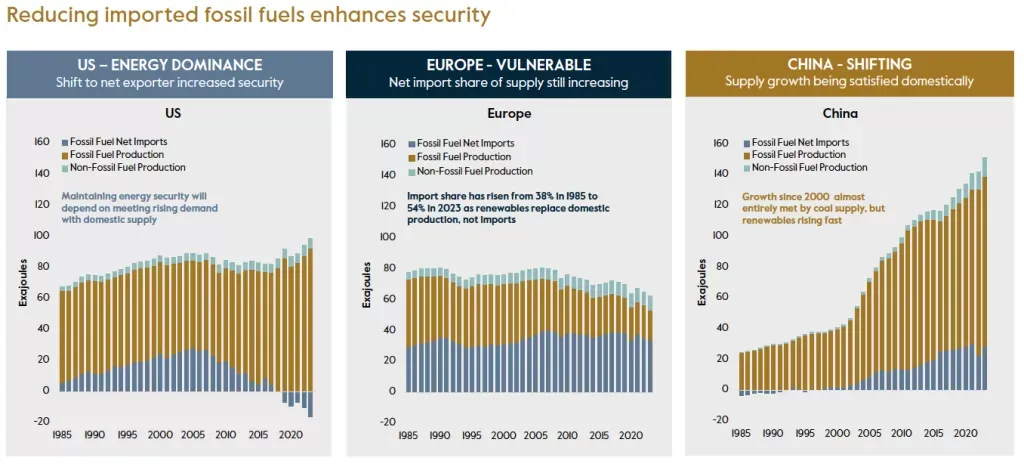
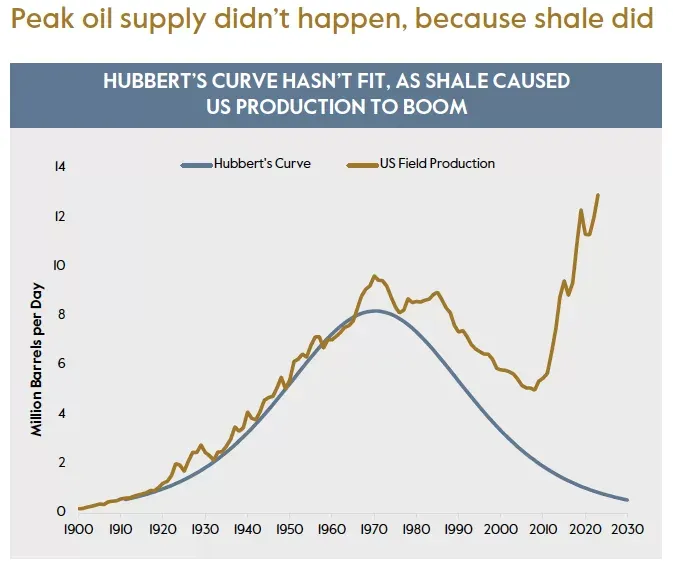
For decades, people feared running out of oil—that was the original “Peak Oil” concept. But the reality? We never ran out. Instead, shale unlocked new reserves, oil production boomed, and imports dropped.
https://www.carlyle.com/global-insights/research/the-new-joule-order
Now, Peak Oil isn’t about running out—it’s about not needing it. Countries are moving away from importing fossil fuels because energy security is now more valuable than just price.
Renewables: Not Just Green—But Secure
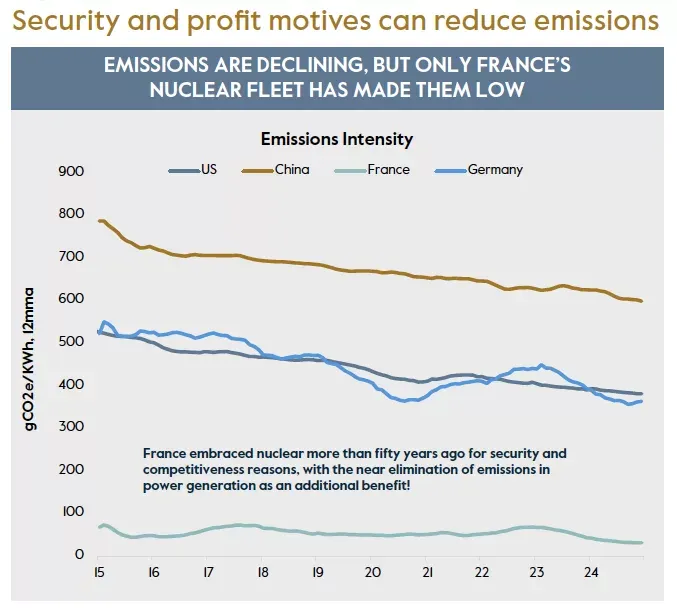
Historically, clean energy had a “green premium”—it cost more than fossil fuels. That’s changed. Today, renewables bring an energy security premium because they are:
✅ Locally produced—less risk of trade disruption.
✅ Long-term stable—20-30 years of predictable supply.
✅ Independent from global geopolitics.
Yes, the equipment is often imported, but once operational, these assets provide decades of reliable, low-cost power.
https://www.carlyle.com/global-insights/research/the-new-joule-order
Why China Got It Right (And Europe Got It Wrong)
China didn’t build out renewables for climate reasons—it was all about energy independence and economic control.
- Chinese fossil fuel imports peaked in 2019, and since then, it has aggressively scaled batteries, solar, and nuclear.
- China dominates global EVs, battery storage, and renewables, not because of Paris Agreements, but because it wants economic freedom.
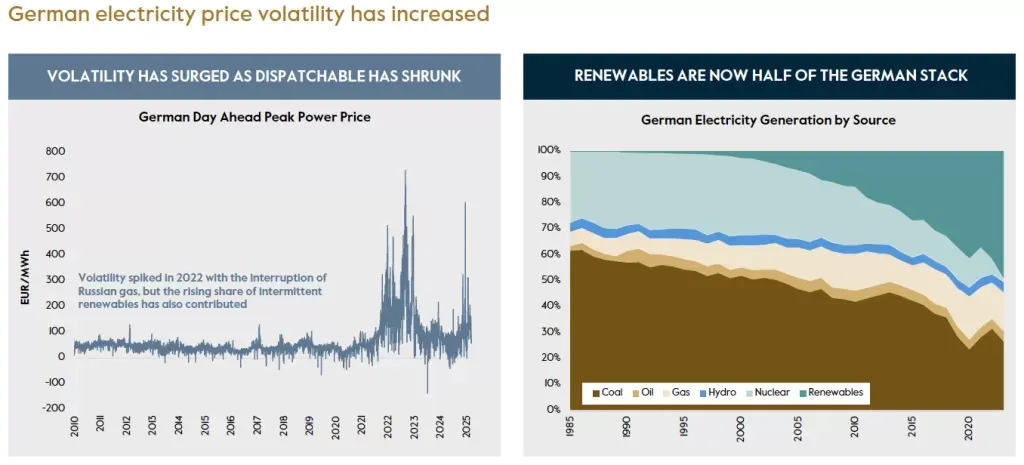
Europe, on the other hand, underinvested in energy independence, and the result? 54% of its energy now comes from imported fossil fuels—worse than 20 years ago.
The Rise of the Security Premium
The post-WWII Bretton Woods system made oil the backbone of global trade, secured by the US Navy and the petrodollar. But now the world is changing:
- As highlighted in the book “Disunited Nations by Peter Zehan” the USA is losing interest in securing global trade as it becomes energy independent.
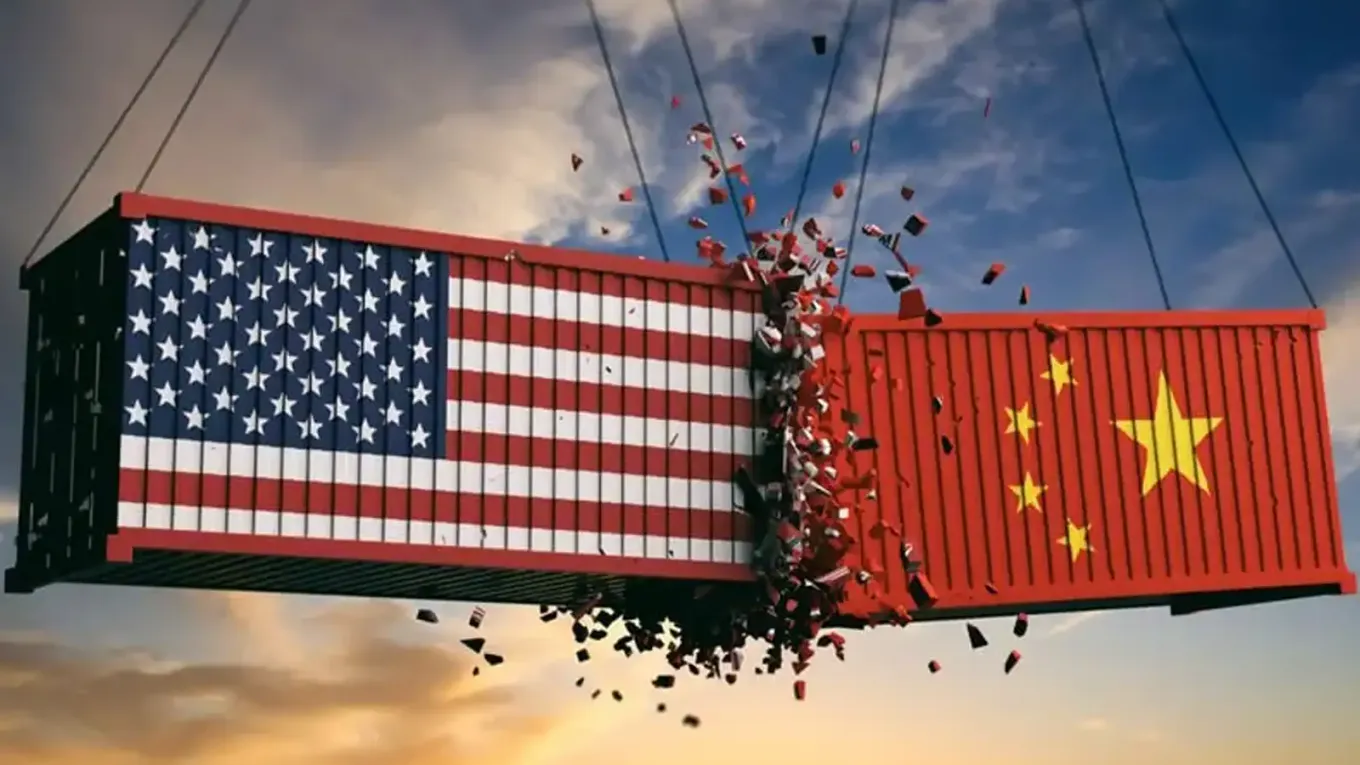
- Global tariffs and trade wars are making it harder to rely on long-distance energy trade.
- Russia’s central bank assets were seized in 2022, proving the risks of being dependent on the US financial system and the USD.
- As a result we are seeing oil producers are shifting to Bitcoin and crypto-stablecoins for example, Bolivia & Russia.
The world is deglobalizing, and energy is becoming more local, more strategic, and more secure.
The Future of Energy: Local, Renewable, and Secure
We are moving into a world where countries will pay a security premium to ensure stable energy supplies. That means:
• More investment in local renewables and nuclear.
• Less reliance on long-haul energy trade.
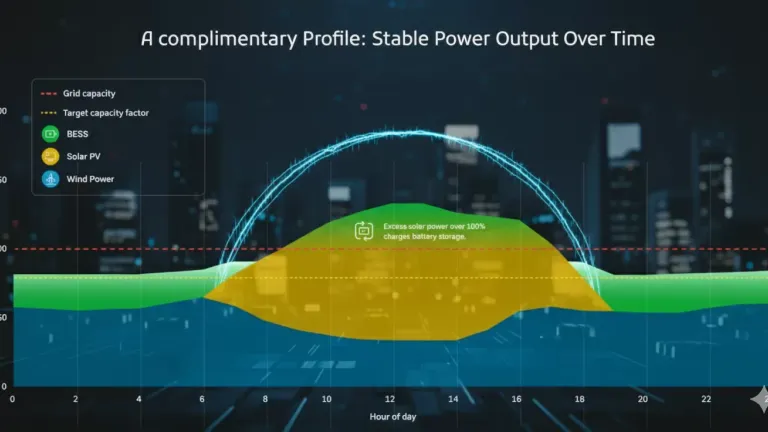
• Rising importance of energy storage and grid resilience.
https://www.carlyle.com/global-insights/research/the-new-joule-order
There’s no such thing as Peak Energy Demand—the world will keep consuming more power. The question is where it comes from.
For decades, energy decisions were based on cost (LCOE)—now, the smarter play is Return on Energy (ROE) at a national level. The faster countries grasp this shift, the better positioned they will be for the next energy era.
This security-first energy transition will be faster, cleaner, and more resilient than we ever imagined. The only question is—who adapts, and who gets left behind?
Final Thought
If you’re investing in energy, policymaking, or infrastructure, security—not just cost—is now the key driver.
The old world of energy trade is fading, and the new world of local, secure, and resilient energy is taking shape. Perhaps Trump’s aggressive anti-trade stance will accelerate the energy transition globally.