Why I use a hardware crypto wallet and how it can protect you too
Leaving crypto on an exchange means trusting its security; a hardware wallet such as a Ledger keeps private keys offline and out of reach of remote hackers.

Would you leave your wallet unattended in a public place?
The beauty of cryptocurrency and digital assets is that they are stored on secure distributed blockchains, instantly accessible with an internet connection.
This fact is also the biggest risk.
Not your (private) keys, not your money
When you buy a digital asset (crypto current, token or NFT) it will usually be from a third party site, such as an exchange. Leaving some funds on an exchange can be ok for small amounts of money or if you are trading but ultimately you are trusting them, and relying on their security.
Unfortunately, This makes exchanges high-value targets for hackers. On a few occasions the exchange owner even stole the assets themselves, so be careful. 💰
Securing your digital assets
To secure your digital assets on the blockchain, you need to create a wallet. This will allow you to store your private asset keys off the central exchanges.
Here are some example wallets:
🔒 Online wallet: blockchain.com, exodus.com
🔒🔒Browser wallets: metamask.io, trustwallet.com
🔒🔒🔒Hardware wallets: ledger.com, trezor.io
For each of these pay close attention to safely storing the secret passcodes and ALWAYS use two-factor authentication with online wallets.
Hardware wallets
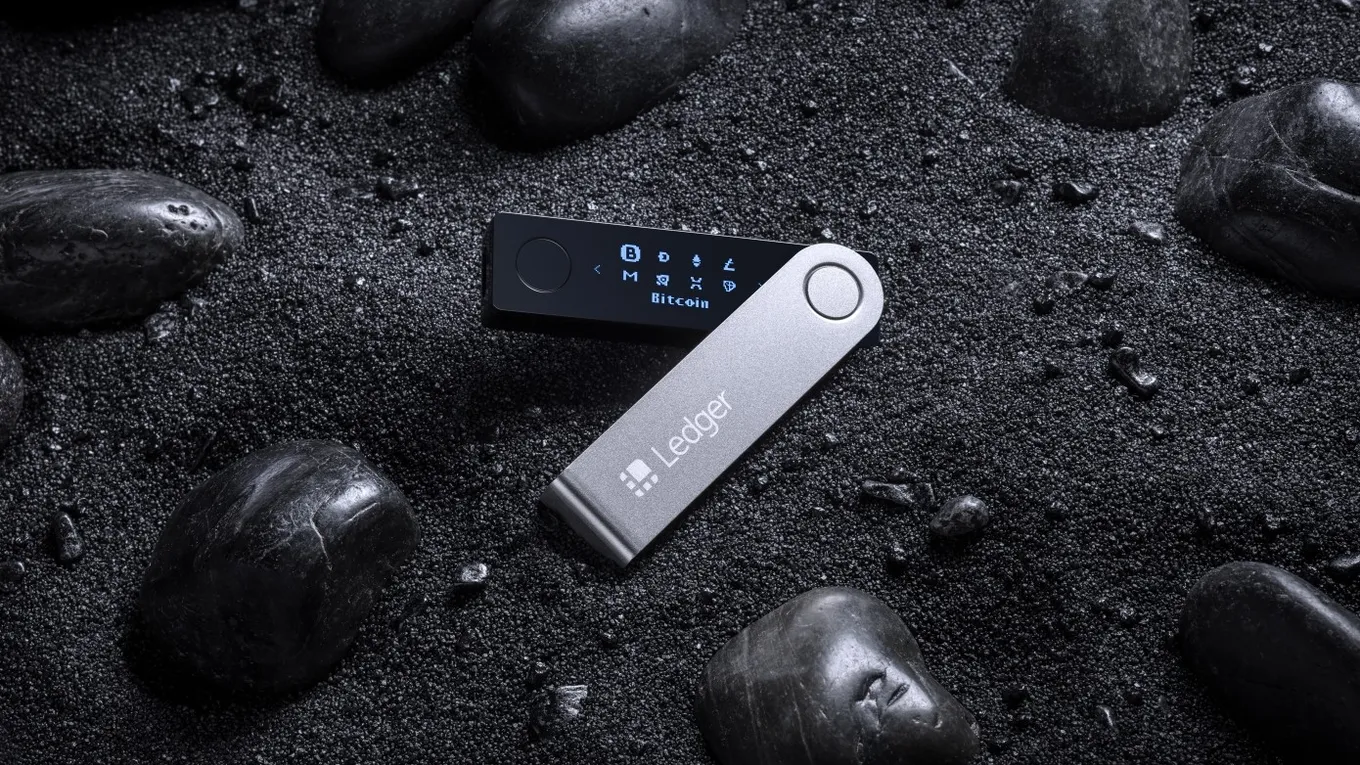
The highest levels of security are achieved with the hardware wallets. I have a Ledger Nano-X. This solution requires the physical device to transact on your wallets which makes it almost impossible for a hacker to access your funds remotely.
The setup process is pretty straightforward and I would recommend these to anyone who owns more than a few 000’s of USD of digital assets.