Why when you use electricity matters to your bill
A smart meter does not raise your rate. A tariff that reflects when electricity is cheaper can reward households that can shift demand.

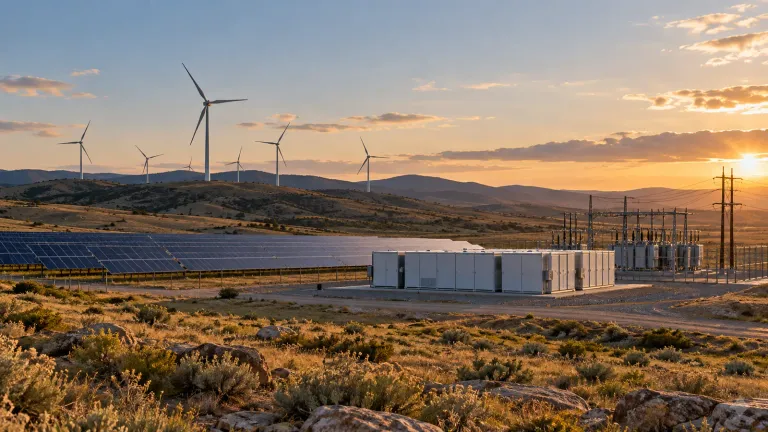
When we model a battery for a renewable project, the first thing I want to know is when it will charge and when it will discharge. Give the model a single average electricity price and you can miss much of the reason to build the battery in the first place.
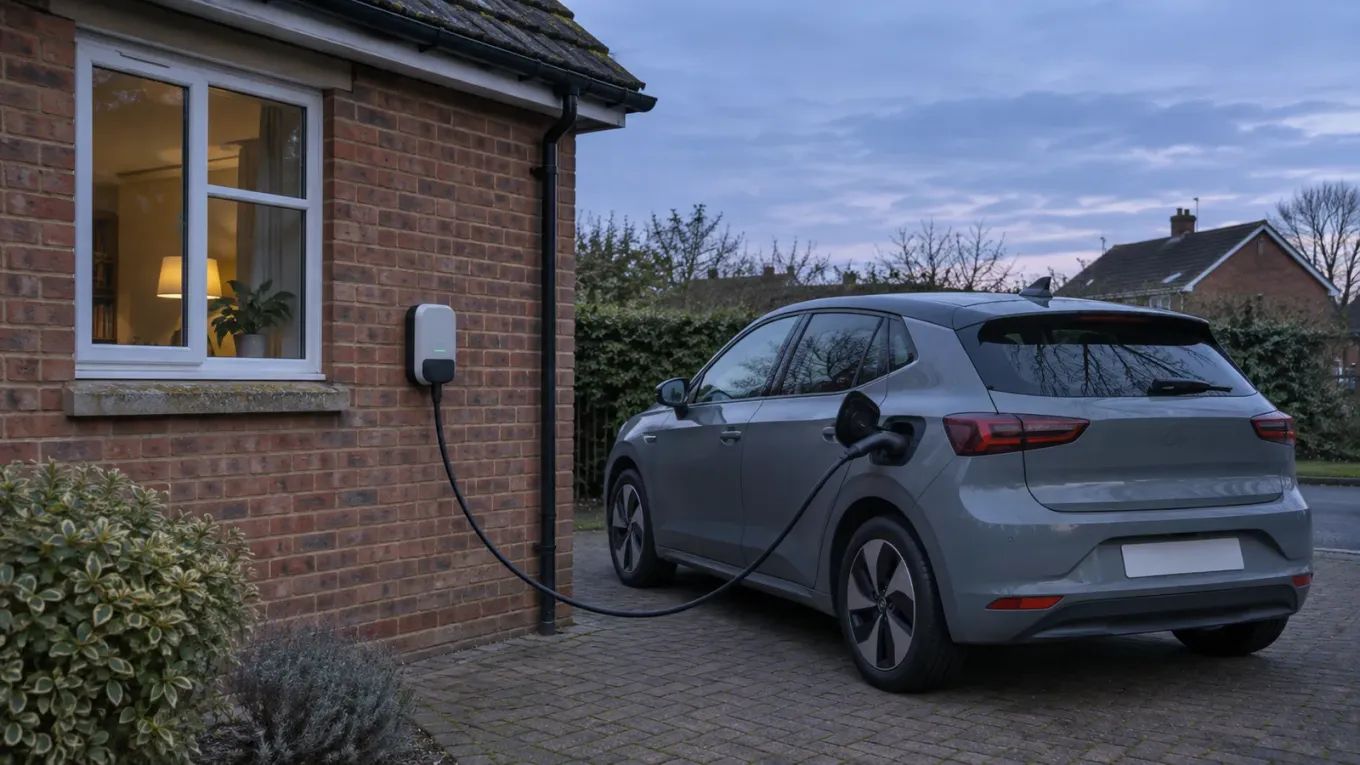
The same economics apply at home. A car can use the same amount of electricity whether it charges as soon as you get home or later in the night. What changes is the cost of supplying that electricity and, on the right tariff, what you pay for it.
That’s why I disagree with Jacob Rees-Mogg’s blanket advice in Do not install a smart meter. A smart meter gives you the option to pay a price that changes with the time of day. Whether that option is worth taking depends on when you use power.
The next unit of electricity has a cost
At six in the evening, people come home, start cooking, turn on lights and plug things in. The grid has to meet demand at that moment. If the cheaper generation already available is fully used, meeting another bit of demand can mean calling on a more expensive generator.
Later, demand may have fallen while plenty of wind generation is still available. There may be room to charge a car without needing that expensive generator. Overnight isn’t always cheap, and the early evening isn’t always expensive. That’s exactly the point: you have to look at what the grid needs and what is available at the time.
A single retail rate makes both periods look the same on the bill. It does nothing to make the underlying cost the same.
The meter and the tariff do different jobs
A meter records how much electricity you use and when. A tariff turns those readings into a bill. Installing the meter doesn’t, by itself, move you onto a variable tariff.
There’s a separate change to how the electricity market works. Ofgem’s decision on half-hourly settlement explains why it wants suppliers’ electricity purchases and their customers’ use reconciled in half-hour periods. That gives suppliers a reason to offer customers a better price for moving demand out of expensive periods. It does not require your retail bill to vary every half hour.
This isn’t just a policy proposal. Agile Octopus publishes half-hourly prices tied to the wholesale market. Its own guidance is clear on both sides: you can pay less when prices fall, and you can pay more when they spike.
Same car, same charge, different cost
Say I need the car charged by breakfast. I don’t care if it starts charging the minute I park or several hours later, as long as it’s ready when I need it. A timer is enough to make use of a predictable cheap window. I haven’t driven less or asked the car to take less energy. I’ve just moved the load.
If enough people can move some demand out of the periods when the grid is stretched, we can run costly generation less often. There’s a difference between that saving and a discount on one bill. The discount is what the tariff gives you. The system saves money when the shift actually avoids expensive generation or eases pressure on the network at the time and place it matters.
Keep the choice to pay a flat rate
Some people can’t move much of their electricity use. They may need to cook, heat the house or run equipment at a particular time. If a tariff charges more in those hours and they can’t take advantage of the cheaper ones, their bill can go up. I wouldn’t tell them to take a variable tariff.
A flat tariff is a reasonable way to avoid that exposure. And if you’re thinking of switching, look at your actual pattern of use, the standing charge and the full set of rates. A cheap overnight rate tells you very little if most of your electricity use falls outside that window.
Pay people for the demand they can move
I want suppliers to make that comparison easy: show people what their own recent consumption would have cost under each tariff, and show separately what might change if they moved their car charging or another flexible load. Let people choose what suits them.
The cost of supplying electricity changes whether the meter shows it or not. If a household can move demand away from an expensive hour without giving anything up, it should be able to keep some of the saving.